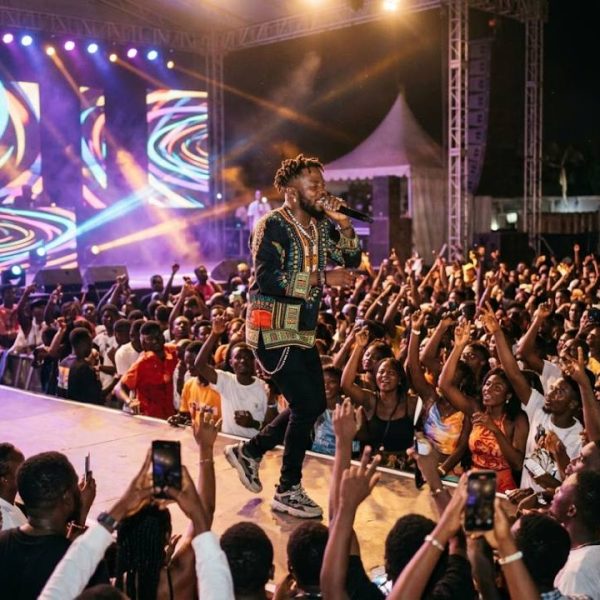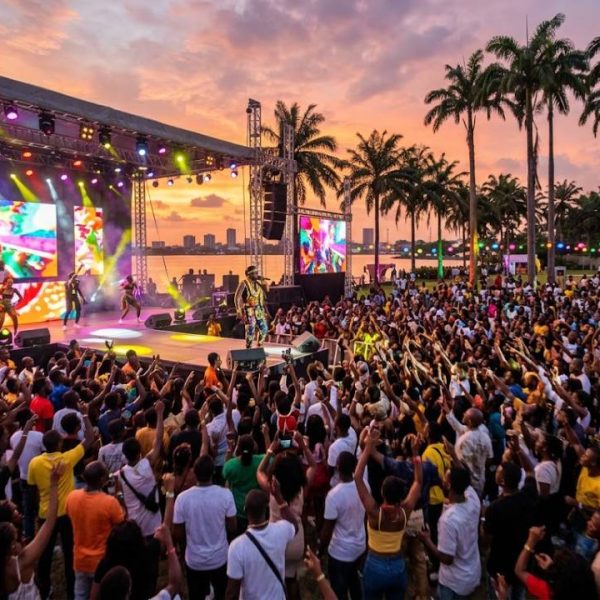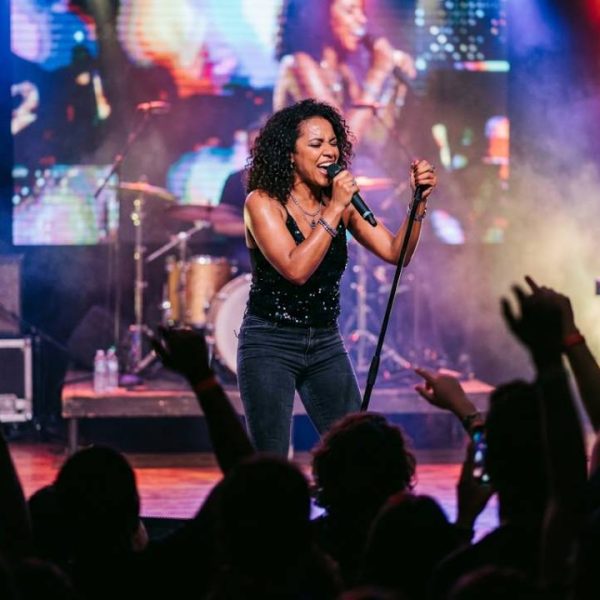
From streaming charts to fashion runways and global award stages, Ghanaian entertainers are redefining what African creativity looks like to the world. Music, film, digital content, and even entrepreneurship are being reshaped by a new generation of Ghana superstars whose influence stretches far beyond Accra. Their sounds, styles, and stories are turning Ghana into one of the most powerful engines of modern African pop culture, inspiring fans and creators across the continent and in the diaspora.
1. Turning Local Sounds into Global Anthems
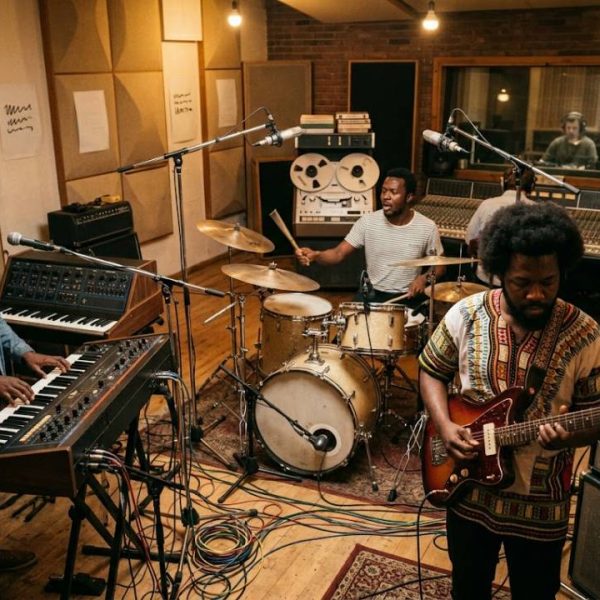
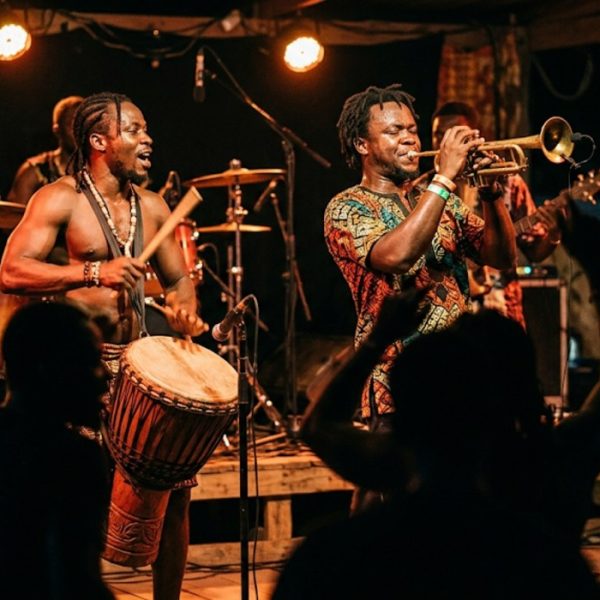
Ghanaian artists are taking traditional rhythms like highlife and fusing them with Afrobeats, drill, amapiano, and dancehall to create new cross‑continental hits. This fusion sound has become a defining feature of today’s African playlists, signaling that Ghana is not just preserving its musical heritage, but actively exporting it. By collaborating with stars from Nigeria, South Africa, the UK, and the US, Ghana’s musicians are proving that African genres can compete on the world stage while keeping a distinctly Ghanaian flavor.
2. Building Creative Empires and Owning Their Brands
Modern Ghana superstars are not just performers; they are business owners and brand architects. Many have launched clothing lines, record labels, content studios, and events companies to control their own narratives and revenues. Whether they’re independent artists handling bookings or influencers billing international brands, professional tools like a free invoice generator help them manage payments, issue clean digital invoices, and grow sustainable creative businesses across borders.
3. Elevating Ghanaian Fashion and Street Style
The signature looks of Ghana’s stars have become templates for youth style across Africa. From kente‑inspired streetwear to bold, futuristic red‑carpet outfits, their fashion choices spotlight local designers and fabrics. Music videos and social media posts double as fashion showcases, helping small Ghanaian brands go continental. This visual influence is redefining what African luxury and urban style look like, making Ghana a key tastemaker in the wider African fashion ecosystem.
4. Making Accra a Regional Creative Hub
Accra has rapidly evolved into a magnet city for African creators. Producers, videographers, dancers, and influencers from other African countries frequently travel there to collaborate, shoot videos, and perform at festivals. This concentration of talent boosts cross‑border innovation and cements Ghana’s position as a cultural crossroads. Events, listening parties, and creative retreats in Accra are shaping trends that ripple across the continent and into the global African diaspora.
5. Leading the Rise of African Digital Creators
Ghanaian content creators are thriving on YouTube, TikTok, Instagram, and X, blending comedy, commentary, music, and lifestyle content. Their short‑form skits, reaction videos, and vlogs introduce global audiences to everyday Ghanaian life in fresh, relatable ways. Many of these digital stars collaborate with musicians and actors, creating a blended entertainment scene where online and offline fame reinforce each other. The result is a new, internet‑driven wave of African pop culture built on memes, trends, and viral sounds born in Ghana.
6. Rebranding African Joy, Pride, and Identity
A powerful part of Ghana’s influence is the way its superstars present African identity. Through lyrics, visuals, and public statements, they project confidence, joy, and cultural pride. They celebrate local languages, food, and customs in ways that feel modern and aspirational. This has a direct impact on how young Africans across the continent view themselves—less through the lens of struggle and more through creativity, ambition, and possibility. Ghana’s cultural exports are helping rewrite the narrative of what it means to be African in the 21st century.
7. Inspiring the Diaspora and Bridging Continents
Ghana’s superstars play a major role in connecting African youth with the global diaspora. Collaborations with UK drill artists, US rappers, Caribbean dancehall acts, and European DJs create a shared cultural language. Major events and festivals in Ghana attract diaspora audiences, encouraging travel, investment, and long‑term connections. Through these exchanges, Ghana becomes both a cultural home base and a creative meeting point for Africans and people of African descent worldwide.
8. Using Influence for Social Impact and Conversation
Beyond entertainment, many Ghanaian figures use their platforms to address social issues—youth unemployment, mental health, governance, and education. Campaigns, charity concerts, and viral advocacy videos show that pop culture can be a vehicle for serious conversations. When major stars speak up, their messages travel fast across African social media networks, empowering fans to think critically and engage with their communities. This blend of entertainment and activism is reshaping expectations of what African celebrity should look like.
9. Professionalizing the African Creative Economy
As Ghana’s stars gain global recognition, the behind‑the‑scenes systems supporting them are growing stronger. Managers, publicists, digital marketers, event promoters, and legal teams are formalizing deals and building structures that protect artists’ rights. Clear contracts, royalty tracking, and documented payments are becoming standard. This professionalization doesn’t just benefit Ghana; it sets a template for creative industries across Africa, proving that art, content creation, and entertainment can be reliable careers with scalable income.
10. Shaping the Future of African Pop Culture
Ghana’s impact on African pop culture is not a passing phase; it is part of a long‑term shift in how culture is created and consumed across the continent. As streaming platforms, social media, and mobile internet continue to expand, Ghanaian artists, influencers, and entrepreneurs are perfectly positioned to keep leading. Their stories demonstrate that African creativity is not waiting for external validation—it is setting its own standards, building its own tools, and connecting directly with audiences worldwide.
Conclusion
The rise of Ghana’s superstars is transforming African pop culture from multiple angles—music, fashion, digital content, business, and social impact. By fusing tradition with innovation and pairing creativity with entrepreneurship, they are turning Ghana into a cultural powerhouse whose influence reaches every corner of the continent and far beyond. As more creators follow their path, the future of African pop culture will be louder, bolder, and more Ghanaian than ever before.