News, Ghana celebrities, Ghanaian music, french translation services, german to english translation services, cat tool

Ghana's Music Stars and the Global Rise of Afrobeats

Ghana's Music Stars and the Global Rise of Afrobeats

Editor, summary-ckeditor

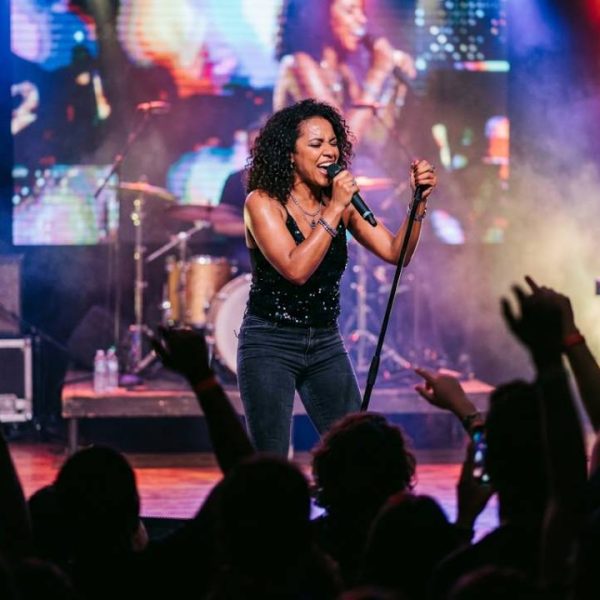
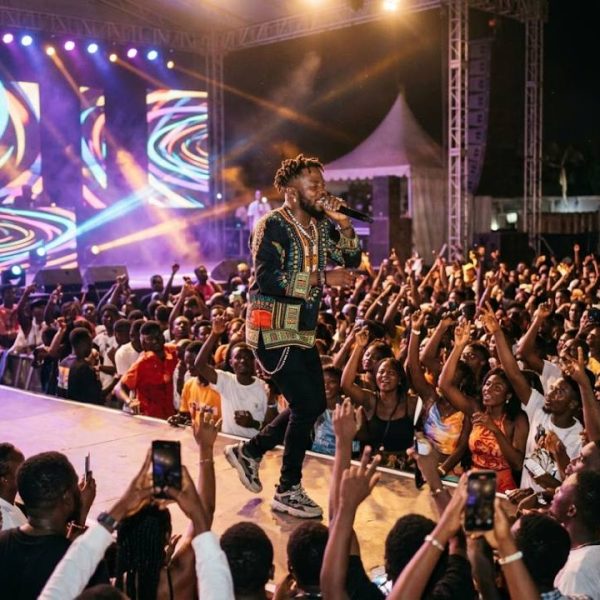
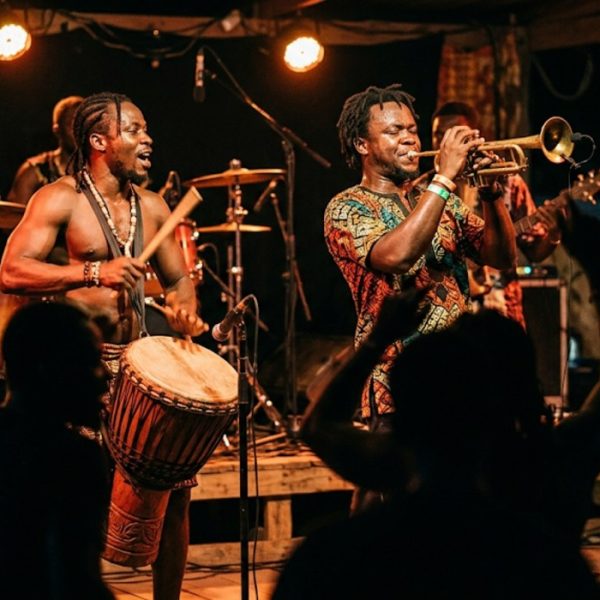
On a Friday night in Accra, the city's clubs and open-air venues pulse with music that is now heard from London to Lagos and Los Angeles. Ghanaian artists have become regulars on international playlists, festival line-ups and award shows. Names like Sarkodie, Stonebwoy, Black Sherif, King Promise, Gyakie and Amaarae are known far beyond West Africa.

Ghana's music scene has always been rich. What has changed is the reach: streaming, social media and a global appetite for African sounds have turned local stars into international ones.

From highlife to hiplife and beyond

Ghana gave the world highlife in the early twentieth century, a blend of local rhythms, brass bands and guitar styles. Legends such as E.T. Mensah and later Amakye Dede shaped the sound. In the 1990s, hiplife emerged, mixing highlife with hip hop and rap in Twi and other local languages. Reggie Rockstone is often called the godfather of the genre.

Today's Ghanaian stars move freely between Afrobeats, drill, dancehall, Afro-pop and alternative R&B. Black Sherif's breakout hit "Kwaku the Traveller" in 2022 showed how a song mixing Twi and English could top charts across Africa and gain attention worldwide. Amaarae's "Sad Girlz Luv Money" went viral globally after a remix with Kali Uchis.

A fast-growing music market

The music industry in Sub-Saharan Africa has been among the fastest-growing regions in the world for recorded music revenues, according to the IFPI. Streaming services have expanded across the continent, and local platforms compete with global giants. Ghanaian artists benefit from a large diaspora in the UK, the US, Germany, the Netherlands and Italy, which helps songs travel quickly.

Celebrity culture at home

At home, celebrity news is a constant topic. Award shows such as the Ghana Music Awards draw huge audiences, and rivalries, collaborations and fashion choices fill entertainment pages and social media timelines. Actors from Ghana's film industry, sometimes called Ghallywood, and popular comedians and influencers also enjoy star status.

The country's celebrities increasingly use their platforms for causes too, from education and health campaigns to youth employment and environmental awareness.

Crossing language borders

Ghana is an English-speaking country, but it is surrounded by francophone neighbours: Côte d'Ivoire, Togo and Burkina Faso. For Ghanaian artists, touring West Africa means reaching audiences who speak French as their main international language. Concert promotion, press releases, interviews and social media posts aimed at Abidjan, Lomé or Ouagadougou work better in French. Management teams often use professional french translation services for contracts with francophone promoters and for marketing materials that need the right tone.

The German connection

Few people know that one of highlife's most influential offshoots was born in Germany. In the late 1970s and 1980s, Ghanaian musicians living in Hamburg and other German cities created burger highlife, a style mixing highlife with synthesisers and disco influences. George Darko and others made it a hit back in Ghana.

Researchers, documentary makers and music journalists exploring this history often work with German archives, newspaper articles and interviews. Professional german to english translation services help bring these sources to English-speaking audiences in Ghana and beyond.

Subtitles, lyrics and global fans

Many Ghanaian songs mix English, Twi, Ga, Ewe and Pidgin. International fans are curious about what the lyrics mean, and music videos with subtitles in several languages reach wider audiences on streaming platforms. Labels and distributors that translate lyrics, interviews and documentaries at scale increasingly work with a CAT tool to keep terms, names and slang consistent across languages and releases.

Lyrics and subtitles are only the start of reaching fans in new markets. Professional localization services adapt everything else an artist publishes — websites, press kits, merchandise stores, tour announcements, and social media content — so each audience gets a version that feels native rather than translated. Adapting imagery, dates, and release formats to local expectations removes the small frictions that keep casual listeners from becoming fans. For Ghanaian artists with global ambitions, this broader localization turns viral moments into lasting international careers.

When fans understand the story behind a song, they connect with the artist on a deeper level.

Fashion, film and the business of fame

Ghanaian celebrities are increasingly brands in their own right. Musicians launch clothing lines, beverage partnerships and beauty products, while actors and presenters sign deals with telecom companies and banks. Red-carpet looks at award shows spark days of online debate, and Accra-based designers gain international attention when stars wear their creations abroad. For many young Ghanaians, these figures represent proof that creative careers can be both respected and profitable, something earlier generations rarely saw.

Challenges for the industry

  • Low streaming payouts and limited local royalty collection.
  • Piracy and unlicensed use of music.
  • Visa difficulties for touring artists, especially to Europe and North America.
  • Limited venue infrastructure outside major cities.
  • Strong competition from Nigerian Afrobeats.

Ghana as a cultural destination

Ghana has also become a cultural destination. Events like Afrochella and AfroFuture, along with December festivities known as Detty December, attract diaspora visitors and international tourists. The government's Year of Return campaign in 2019 and its follow-ups encouraged people of African descent to visit and invest in the country. Music is at the heart of this cultural tourism.

What comes next

The next generation of Ghanaian artists is growing up with global ambitions from day one. They record in home studios, release directly on streaming platforms and build fan bases across continents through social media. With the right support, Ghana's music industry is well placed to turn today's viral moments into lasting global careers.
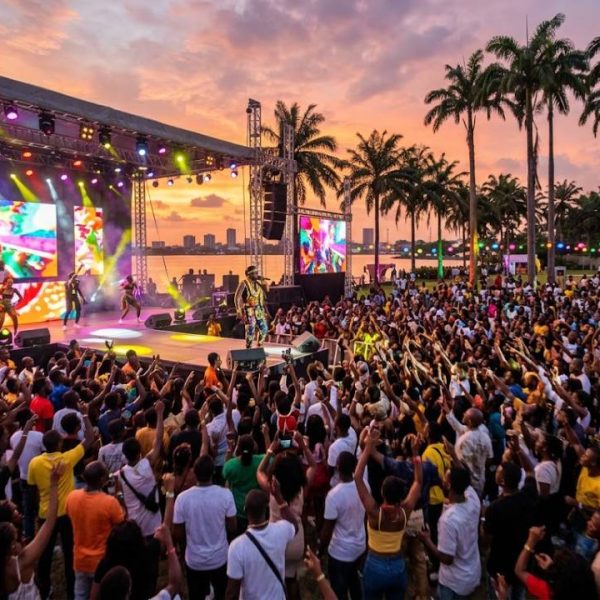
On a Friday night in Accra, the city's clubs and open-air venues pulse with music that is now heard from London to Lagos and Los Angeles. Ghanaian artists have become regulars on international playlists, festival line-ups and award shows. Names like Sarkodie, Stonebwoy, Black Sherif, King Promise, Gyakie and Amaarae are known far beyond West Africa.

On a Friday night in Accra, the city's clubs and open-air venues pulse with music that is now heard from London to Lagos and Los Angeles. Ghanaian artists have become regulars on international playlists, festival line-ups and award shows. Names like Sarkodie, Stonebwoy, Black Sherif, King Promise, Gyakie and Amaarae are known far beyond West Africa.

Ghana's music scene has always been rich. What has changed is the reach: streaming, social media and a global appetite for African sounds have turned local stars into international ones.

Ghana's music scene has always been rich. What has changed is the reach: streaming, social media and a global appetite for African sounds have turned local stars into international ones.

From highlife to hiplife and beyond

Ghana gave the world highlife in the early twentieth century, a blend of local rhythms, brass bands and guitar styles. Legends such as E.T. Mensah and later Amakye Dede shaped the sound. In the 1990s, hiplife emerged, mixing highlife with hip hop and rap in Twi and other local languages. Reggie Rockstone is often called the godfather of the genre.

Ghana gave the world highlife in the early twentieth century, a blend of local rhythms, brass bands and guitar styles. Legends such as E.T. Mensah and later Amakye Dede shaped the sound. In the 1990s, hiplife emerged, mixing highlife with hip hop and rap in Twi and other local languages. Reggie Rockstone is often called the godfather of the genre.

Today's Ghanaian stars move freely between Afrobeats, drill, dancehall, Afro-pop and alternative R&B. Black Sherif's breakout hit "Kwaku the Traveller" in 2022 showed how a song mixing Twi and English could top charts across Africa and gain attention worldwide. Amaarae's "Sad Girlz Luv Money" went viral globally after a remix with Kali Uchis.

Today's Ghanaian stars move freely between Afrobeats, drill, dancehall, Afro-pop and alternative R&B. Black Sherif's breakout hit "Kwaku the Traveller" in 2022 showed how a song mixing Twi and English could top charts across Africa and gain attention worldwide. Amaarae's "Sad Girlz Luv Money" went viral globally after a remix with Kali Uchis.

A fast-growing music market

The music industry in Sub-Saharan Africa has been among the fastest-growing regions in the world for recorded music revenues, according to the IFPI. Streaming services have expanded across the continent, and local platforms compete with global giants. Ghanaian artists benefit from a large diaspora in the UK, the US, Germany, the Netherlands and Italy, which helps songs travel quickly.

The music industry in Sub-Saharan Africa has been among the fastest-growing regions in the world for recorded music revenues, according to the IFPI. Streaming services have expanded across the continent, and local platforms compete with global giants. Ghanaian artists benefit from a large diaspora in the UK, the US, Germany, the Netherlands and Italy, which helps songs travel quickly.

Celebrity culture at home

At home, celebrity news is a constant topic. Award shows such as the Ghana Music Awards draw huge audiences, and rivalries, collaborations and fashion choices fill entertainment pages and social media timelines. Actors from Ghana's film industry, sometimes called Ghallywood, and popular comedians and influencers also enjoy star status.

At home, celebrity news is a constant topic. Award shows such as the Ghana Music Awards draw huge audiences, and rivalries, collaborations and fashion choices fill entertainment pages and social media timelines. Actors from Ghana's film industry, sometimes called Ghallywood, and popular comedians and influencers also enjoy star status.

The country's celebrities increasingly use their platforms for causes too, from education and health campaigns to youth employment and environmental awareness.

Crossing language borders

Ghana is an English-speaking country, but it is surrounded by francophone neighbours: Côte d'Ivoire, Togo and Burkina Faso. For Ghanaian artists, touring West Africa means reaching audiences who speak French as their main international language. Concert promotion, press releases, interviews and social media posts aimed at Abidjan, Lomé or Ouagadougou work better in French. Management teams often use professional french translation services for contracts with francophone promoters and for marketing materials that need the right tone.

Ghana is an English-speaking country, but it is surrounded by francophone neighbours: Côte d'Ivoire, Togo and Burkina Faso. For Ghanaian artists, touring West Africa means reaching audiences who speak French as their main international language. Concert promotion, press releases, interviews and social media posts aimed at Abidjan, Lomé or Ouagadougou work better in French. Management teams often use professional french translation services for contracts with francophone promoters and for marketing materials that need the right tone.

The German connection

Few people know that one of highlife's most influential offshoots was born in Germany. In the late 1970s and 1980s, Ghanaian musicians living in Hamburg and other German cities created burger highlife, a style mixing highlife with synthesisers and disco influences. George Darko and others made it a hit back in Ghana.

Few people know that one of highlife's most influential offshoots was born in Germany. In the late 1970s and 1980s, Ghanaian musicians living in Hamburg and other German cities created burger highlife, a style mixing highlife with synthesisers and disco influences. George Darko and others made it a hit back in Ghana.

Researchers, documentary makers and music journalists exploring this history often work with German archives, newspaper articles and interviews. Professional german to english translation services help bring these sources to English-speaking audiences in Ghana and beyond.

Researchers, documentary makers and music journalists exploring this history often work with German archives, newspaper articles and interviews. Professional german to english translation services help bring these sources to English-speaking audiences in Ghana and beyond.

Subtitles, lyrics and global fans

Many Ghanaian songs mix English, Twi, Ga, Ewe and Pidgin. International fans are curious about what the lyrics mean, and music videos with subtitles in several languages reach wider audiences on streaming platforms. Labels and distributors that translate lyrics, interviews and documentaries at scale increasingly work with a CAT tool to keep terms, names and slang consistent across languages and releases.

Many Ghanaian songs mix English, Twi, Ga, Ewe and Pidgin. International fans are curious about what the lyrics mean, and music videos with subtitles in several languages reach wider audiences on streaming platforms. Labels and distributors that translate lyrics, interviews and documentaries at scale increasingly work with a CAT tool to keep terms, names and slang consistent across languages and releases.

When fans understand the story behind a song, they connect with the artist on a deeper level.

Fashion, film and the business of fame

Ghanaian celebrities are increasingly brands in their own right. Musicians launch clothing lines, beverage partnerships and beauty products, while actors and presenters sign deals with telecom companies and banks. Red-carpet looks at award shows spark days of online debate, and Accra-based designers gain international attention when stars wear their creations abroad. For many young Ghanaians, these figures represent proof that creative careers can be both respected and profitable, something earlier generations rarely saw.

Ghanaian celebrities are increasingly brands in their own right. Musicians launch clothing lines, beverage partnerships and beauty products, while actors and presenters sign deals with telecom companies and banks. Red-carpet looks at award shows spark days of online debate, and Accra-based designers gain international attention when stars wear their creations abroad. For many young Ghanaians, these figures represent proof that creative careers can be both respected and profitable, something earlier generations rarely saw.

Challenges for the industry

  • Low streaming payouts and limited local royalty collection.
  • Piracy and unlicensed use of music.
  • Visa difficulties for touring artists, especially to Europe and North America.
  • Limited venue infrastructure outside major cities.
  • Strong competition from Nigerian Afrobeats.

Ghana as a cultural destination

Ghana has also become a cultural destination. Events like Afrochella and AfroFuture, along with December festivities known as Detty December, attract diaspora visitors and international tourists. The government's Year of Return campaign in 2019 and its follow-ups encouraged people of African descent to visit and invest in the country. Music is at the heart of this cultural tourism.

Ghana has also become a cultural destination. Events like Afrochella and AfroFuture, along with December festivities known as Detty December, attract diaspora visitors and international tourists. The government's Year of Return campaign in 2019 and its follow-ups encouraged people of African descent to visit and invest in the country. Music is at the heart of this cultural tourism.

What comes next

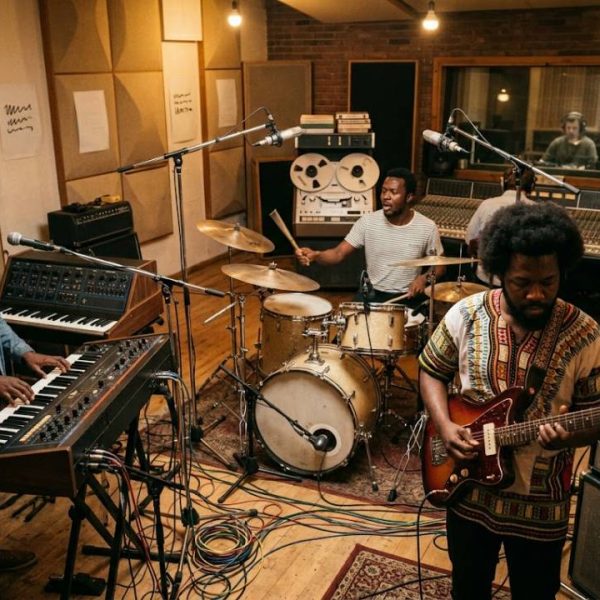
The next generation of Ghanaian artists is growing up with global ambitions from day one. They record in home studios, release directly on streaming platforms and build fan bases across continents through social media. With the right support, Ghana's music industry is well placed to turn today's viral moments into lasting global careers.
The next generation of Ghanaian artists is growing up with global ambitions from day one. They record in home studios, release directly on streaming platforms and build fan bases across continents through social media. With the right support, Ghana's music industry is well placed to turn today's viral moments into lasting global careers.