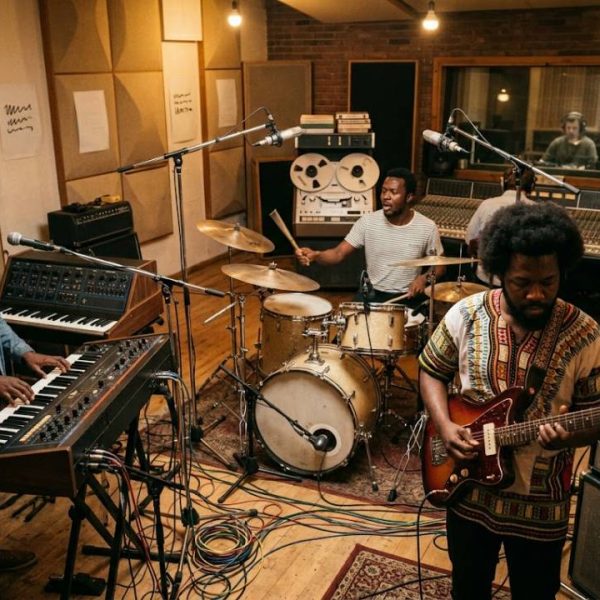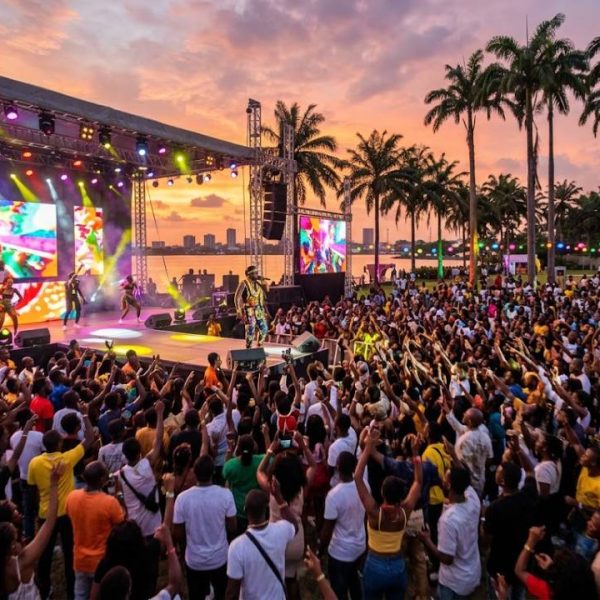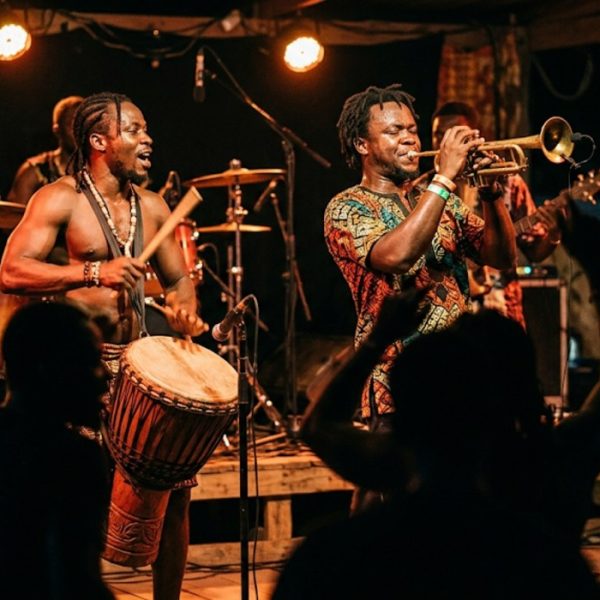
A few years ago, breaking out of Accra's music scene onto a European festival stage was a rare achievement reserved for a handful of names. Now a much wider wave of Ghanaian artists is landing international bookings, streaming chart placements, and label deals well beyond West Africa.
The New Wave of Ghanaian Artists Breaking Through
Afrobeats and highlife have both found large new audiences abroad, helped along by playlist culture and social media clips that spread faster than any traditional radio push ever could. Artists who once relied on regional touring circuits are now booking shows across Europe, North America, and the Gulf within a few years of their first viral single.
Coverage from outlets like BBC Africa has tracked this shift closely, noting how quickly some Ghanaian acts have moved from local nightlife circuits to international festival lineups.
Why International Deals Need Careful Translation
Signing with an international label or booking agency means navigating contracts written in unfamiliar legal language, often across two or three languages at once. A single ambiguous clause about royalties or touring rights can cost an artist real money years down the line.
Management teams working on cross-border deals increasingly rely on certified document translation services to make sure contracts, licensing agreements, and royalty statements are accurate in every language involved. Certified translation services give artists and their teams a legally recognized version of these documents before anyone signs anything.
Where Contracts Commonly Go Wrong
Royalty splits, territory restrictions, and merchandising rights are the sections most likely to cause disputes later if the translated version does not match the original intent precisely.
Germany's Growing Appetite for African Music
Germany has become one of the more active European markets for Afrobeats and highlife bookings, with festivals and clubs across Berlin, Hamburg, and Cologne regularly featuring West African acts. Press coverage and interviews conducted in German often need to reach English-speaking fans and international media outlets accurately.
Labels and publicists handling this crossover frequently use German to English translation services to bring German press coverage, interview transcripts, and festival contracts to a wider international audience without losing nuance in the process. Getting a quote or headline wrong in translation can shift how an entire story about an artist gets picked up internationally. Many publicists rely on professional German translation services to keep press materials accurate across both languages during a big European tour announcement.
Streaming Data Confirms the Trend
Billboard's music industry coverage has repeatedly flagged African genres as among the fastest-growing categories on global streaming platforms, with Ghanaian and Nigerian artists frequently topping regional charts across Europe and the Middle East.
This growth is not just a chart curiosity. It translates directly into booking fees, brand partnerships, and licensing deals that depend on accurate paperwork to actually get paid out correctly and on time.
What This Means for Ghana's Music Industry
The real story behind this success is the business infrastructure quietly catching up to the talent. Managers, entertainment lawyers, and translators are becoming just as important to an artist's international career as the music itself.
Younger artists entering the industry now are far more likely to seek professional guidance on contracts and translation early, having watched previous generations lose money to deals they did not fully understand in a foreign language.
Ghanaian artists reaching worldwide audiences have had to decide how much to adapt for each market and how much to keep unchanged. Brazilian musicians faced that question earlier and answered it differently, exporting the language rather than translating around it. The gap between brazilian portuguese vs european portuguese is audible across that catalogue, which is one reason Lisbon and Sao Paulo built quite separate music industries.
Music travels across borders faster than almost any other cultural product, partly because it bypasses language entirely. Listeners respond before they understand a word. That effect is one of the more striking things studies of the human brain have shown about how rhythm and emotion are processed.
As Ghanaian music continues to find new audiences abroad, the artists who build a solid team around the business side of their career, translation included, tend to be the ones who turn a viral moment into a lasting international career rather than a brief spike in streaming numbers.
Building a Team Before the Big Break
Artists who plan for international growth early often bring on a manager or entertainment lawyer well before any major label conversation begins. Waiting until an offer arrives usually means negotiating from a weaker position, with less time to review contracts carefully.
Industry veterans in Accra increasingly advise newer artists to budget for legal and translation support from the very first international booking, treating it as a cost of doing business rather than an optional expense reserved for established stars.
Touring Logistics Add Another Layer
Beyond contracts, touring internationally brings visa applications, work permits, and venue agreements that also need accurate translation and timely submission. A single missing document can delay or cancel a festival booking that took months to arrange.
Teams that plan tour logistics well in advance, including translation and paperwork, tend to avoid the scramble that can otherwise turn an exciting international booking into a stressful last-minute ordeal for everyone involved.
None of this diminishes the music itself. If anything, a solid business foundation lets artists focus more energy on their craft instead of worrying about whether a European booking agent's contract actually says what they think it says.
Fans watching from home may never think about any of this, but the artists who last on the international circuit for years rather than one viral season are almost always the ones who treated the business side with the same seriousness as their music from the very start.